

In today’s digital economy, almost every salaried and self-employed Indian uses a savings account or current account for financial transactions. But what happens when your account goes into negative balance—known as an overdraft? More importantly, does it affect your credit score? This article answers these critical questions and explains how overdrafts impact your financial credibility in India.
What is an Overdraft?
An overdraft is a credit facility offered by banks that allows account holders to withdraw more money than they currently have in their account. This feature is commonly available on current accounts, but can also be extended to savings accounts in special cases. The bank charges interest on the overdrawn amount, and failure to repay the overdraft can lead to penalties.
Types of Overdrafts in India
- Secured Overdraft: Backed by fixed deposits or other assets as collateral.
- Unsecured Overdraft: No collateral required, usually based on account history or salary credit.
- Overdraft against Salary: Specially designed for salaried individuals; linked to monthly salary credits.
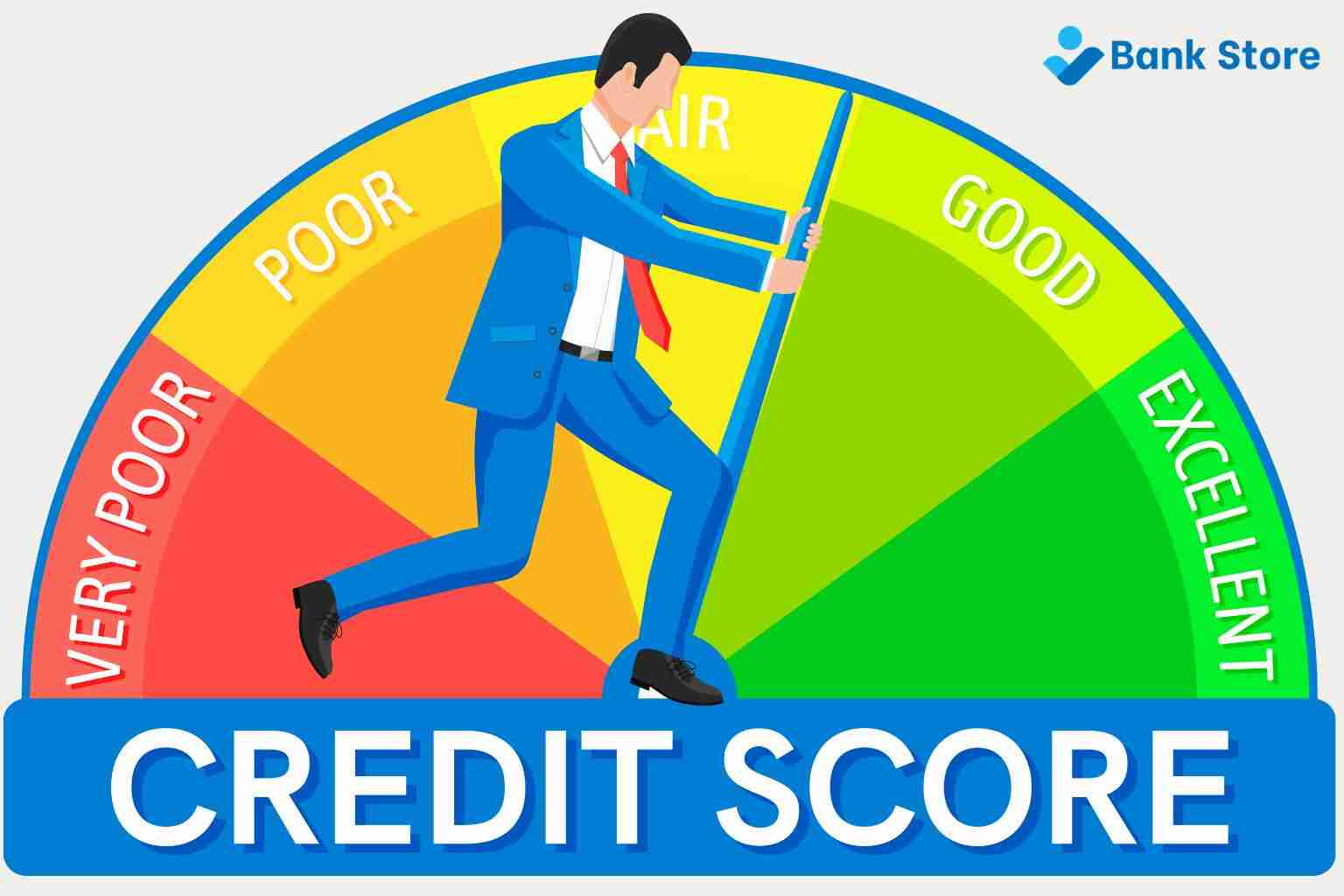
Does Overdrawing Affect Credit Score in India?
The direct answer is—overdrawing your account does not usually affect your credit score, unless the overdraft becomes overdue or unpaid for an extended period. Here's how it works:
1. Overdrafts Aren’t Always Reported to Credit Bureaus
Banks typically don’t report minor or short-term overdrafts to credit bureaus like CIBIL, Experian, Equifax, or CRIF High Mark. However, if the overdraft is a part of a credit line or loan (especially in current accounts), and you default on repaying it, it will reflect negatively on your report.
2. Overdue Overdraft Can Impact Your CIBIL Score
If the bank has extended a formal overdraft limit and you fail to repay within the agreed timeline, the default can be reported. This is especially true if you've been using an overdraft facility on a business current account or through a line of credit loan. In such cases, your CIBIL score can drop due to delayed repayments.
Difference Between Account Balance and Credit Score
Many people confuse their bank balance with their credit score. However, your savings or current account status is not directly linked to your credit report. Your credit score in India is calculated based on your repayment history, credit utilization ratio, and credit mix (secured vs. unsecured loans).
Common Scenarios of Overdraft and Their Impact
- Minor Overdraft (₹1,000 – ₹5,000): Usually ignored unless unpaid for months.
- Salary Account Overdraft: May not impact credit score unless the limit is exceeded or not cleared.
- Overdraft on Business Account: Can affect business credit score and personal CIBIL score if linked.
How to Check If Your Overdraft Is Affecting Your CIBIL Score
- Visit the official CIBIL website: www.cibil.com
- Log in or register and check your credit report.
- Review entries under loans or credit facilities—check for any overdraft line.
- If reported as overdue or defaulted, initiate steps to repay and rectify.
Get Easy Loans
How to Fix Credit Score After Overdraft Default
Let’s say your overdraft has been reported as a default. Here’s how you can recover:
1. Repay the Overdraft Immediately
Clear all dues including any interest or penalties as soon as possible. Contact your bank to understand the total outstanding amount.
2. Request for Settlement Letter
If you're unable to pay in full, negotiate a settlement and get a "No Dues Certificate" from the bank once settled.
3. Raise a Dispute with Credit Bureau
If the record is not updated even after repayment, raise a dispute on the credit bureau’s website with relevant documents.
4. Use Other Credit Responsibly
Start building your credit again by paying EMIs on time, using credit cards within limits, and not applying for multiple loans.
Tips to Avoid Overdrawing Your Account
- Set up low balance alerts via your bank’s mobile app.
- Link your overdraft facility only if absolutely necessary.
- Maintain a buffer balance for automatic deductions like EMIs or SIPs.
- Regularly monitor your account to track any unintentional debit.
Alternatives to Overdrafts
If you’re facing a short-term cash crunch, here are some better options than overdrawing your account:
- Personal Loan: Quick disbursal, especially through apps and NBFCs.
- Credit Card EMI: Convert big expenses into manageable monthly installments.
- Digital Credit Line: Fintech services like LazyPay, Paytm Postpaid, and KreditBee offer instant credit lines with fixed repayment dates.
Does Overdrawing Affect Your Credit Score in India? Final Verdict
In most day-to-day cases, overdrawing your savings account does not impact your credit score. However, if you're using a formal overdraft limit as a part of a credit facility and fail to repay on time, it can reflect negatively on your CIBIL or other credit bureau reports.
Be cautious: Always treat overdrafts as a form of credit and repay them on time. While they may not show up immediately, chronic misuse or negligence can lead to bigger financial issues, including a poor credit rating, difficulty in getting future loans, and even bank blacklisting in some extreme cases.
FAQs – Overdrafts and Credit Scores in India
1. Can I check if my overdraft is reported in my CIBIL report?
Yes, you can check your credit report by visiting CIBIL.com or using fintech apps like Paytm, OneScore, or PaisaBazaar.
2. What is the interest rate on overdrafts in India?
It varies from 10% to 24% depending on the bank and type of account.
3. Do overdrafts affect my chances of getting a home loan or car loan?
If not reported or unpaid, no. But if the overdraft default is listed in your credit report, it can reduce your eligibility.
4. Is it okay to keep using an overdraft every month?
It is not recommended to rely on overdrafts regularly, as it creates a debt cycle and affects your long-term creditworthiness.
Conclusion
While an occasional overdraft may not impact your credit score in India, it’s best to avoid relying on this facility frequently. Instead, opt for planned credit options with clear repayment terms. Maintain good financial hygiene by monitoring your accounts, repaying debts on time, and understanding how credit mechanisms work. Doing so will ensure your credit score stays healthy and your financial future remains secure.