
In today’s fast-paced world, personal loans have become one of the most accessible forms of credit for salaried and self-employed individuals alike. Whether you're covering medical bills, consolidating debt, or funding a wedding, personal loans can be a great financial support. But repaying them, especially in the form of monthly EMIs (Equated Monthly Installments), can become overwhelming if not managed properly.
Here are 9 smart and practical ways to manage your personal loan EMIs without stress, so you can enjoy financial peace of mind.
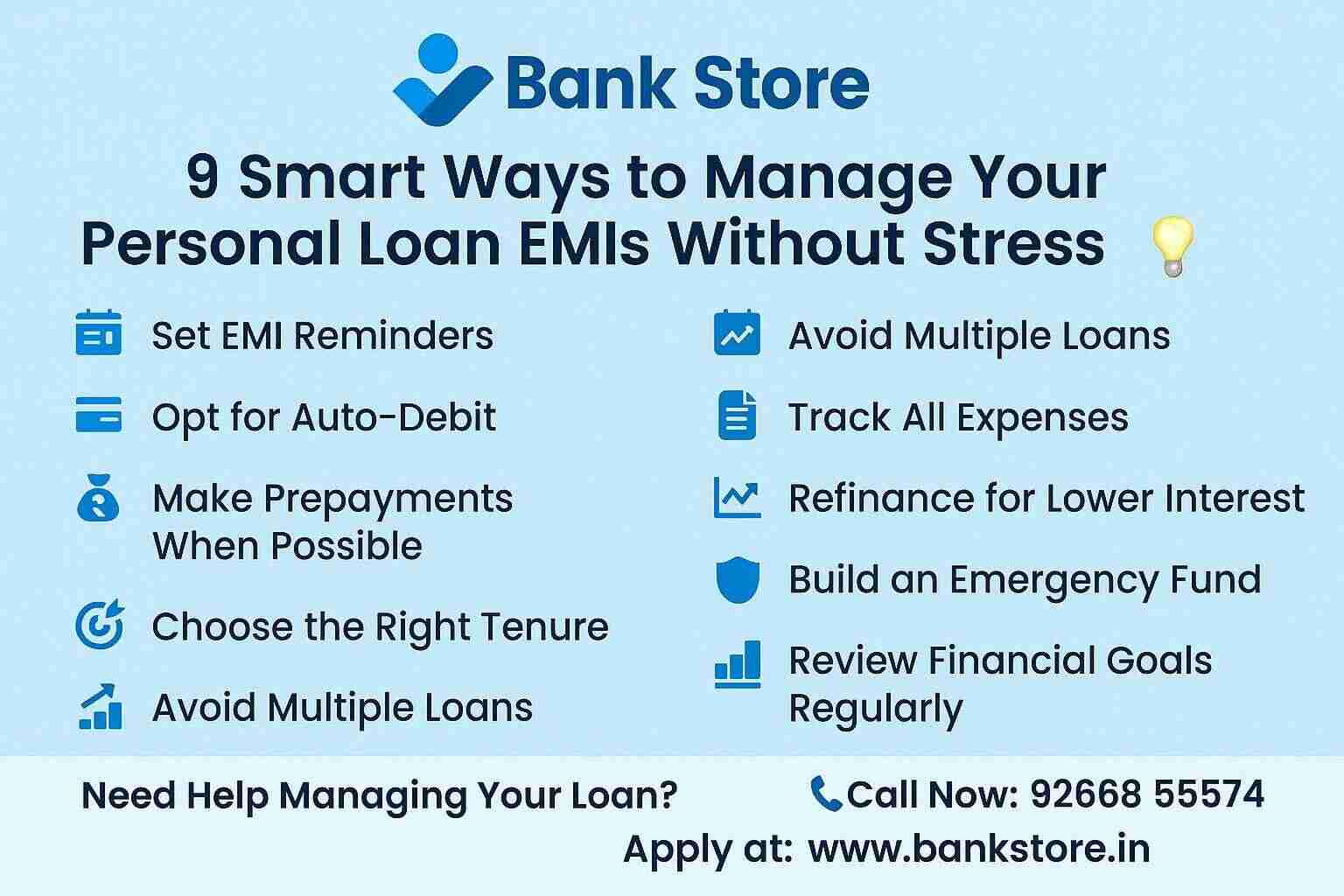
1. Create a Detailed Monthly Budget
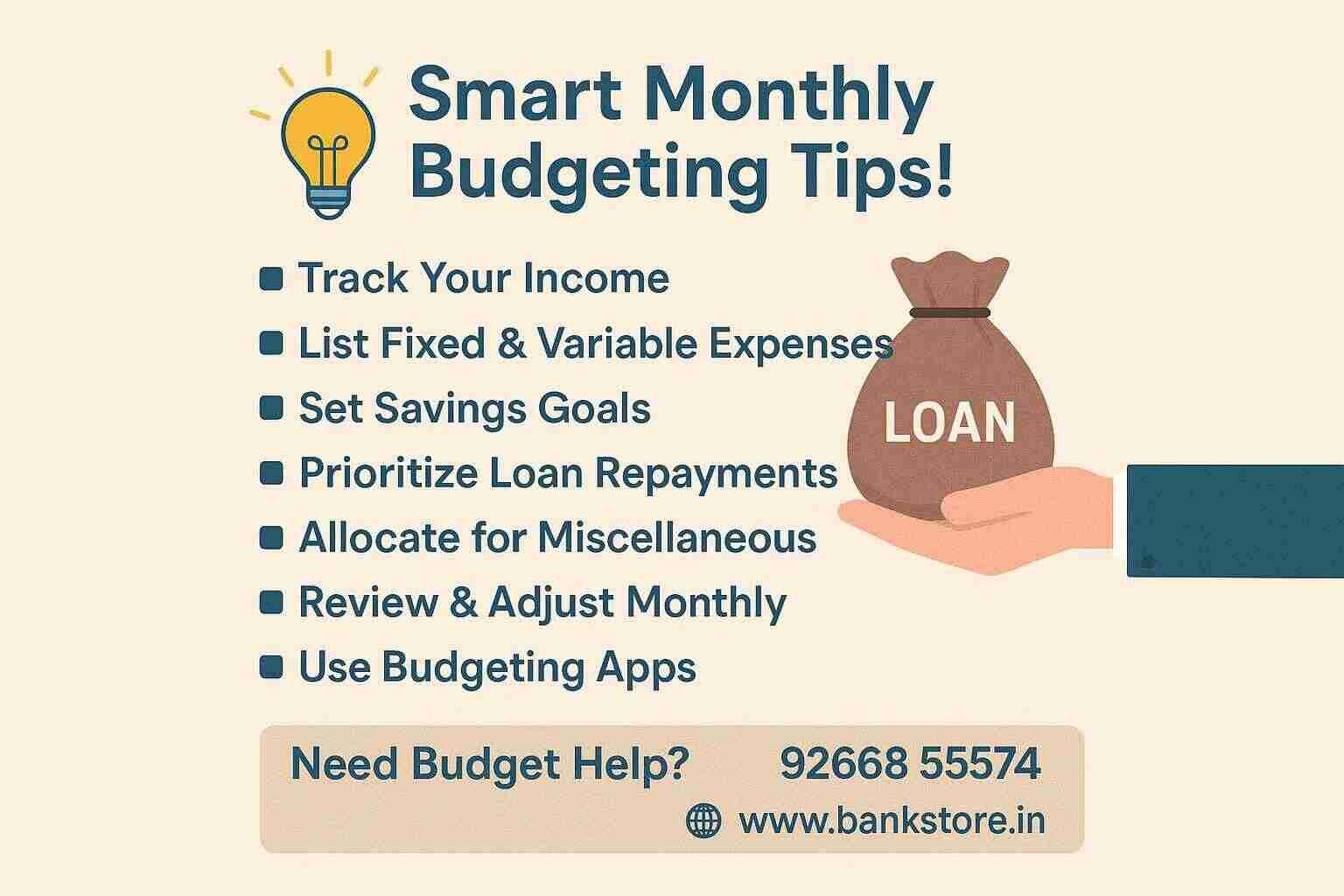
The first step toward stress-free EMI payments is knowing where your money goes. Create a monthly budget that includes all your income and expenses. Categorize your spending into essentials (rent, groceries, utilities) and non-essentials (entertainment, dining out).
Once you know your spending pattern, you can easily allocate a fixed amount for your loan EMIs. Budgeting also helps you cut down on unnecessary expenses and build a financial buffer.
Quick Tip: Use budgeting apps like Walnut, Money Manager, or simply a Google Sheet to track your expenses.
2. Set Up Auto-Debit for EMIs
Late or missed EMI payments can attract penalties and hurt your credit score. Setting up an auto-debit mandate with your bank ensures that your EMIs are paid on time every month without manual intervention.
Make sure your account is always funded a day before the EMI date to avoid failed transactions and unnecessary charges.
3. Choose the Right Loan Tenure
Before taking a personal loan, it’s crucial to select the right loan tenure based on your repayment capacity. A longer tenure means smaller EMIs but higher interest paid over time. A shorter tenure increases EMI but reduces overall interest.
Choose a balance that fits your monthly income and financial goals. For example, if you earn ₹50,000 per month, your EMI should ideally not exceed 30–40% of your income.
4. Make Prepayments When Possible
If you receive a bonus, tax refund, or any extra income, consider using it to make a partial prepayment on your loan. Prepayments reduce the outstanding principal, which can either reduce your EMI or shorten your loan tenure.
Many lenders allow prepayment without additional charges, especially for floating interest rate loans. Check with your lender before making any lump-sum payments.
5. Avoid Taking Multiple Loans at Once
Juggling multiple loans can create a debt trap. Each loan comes with its own EMI, interest rate, and due date. Too many simultaneous EMIs can strain your monthly budget and increase the chances of missing payments.
If you already have one personal loan running, avoid taking new loans unless absolutely necessary. Instead, look into loan consolidation options to manage your debt better.
6. Maintain a Good CIBIL Score
Your CIBIL score plays a big role not just in loan approvals but also in getting better interest rates. A high score (700+) gives you access to lower interest loans, which means lower EMIs.
To maintain a good credit score:
- Pay EMIs and credit card bills on time
- Avoid over-utilizing your credit limit
- Don’t apply for too many loans simultaneously
If you're struggling with high EMIs, consider speaking with your lender about loan restructuring—which is often easier for individuals with a high credit score.
7. Choose the Right Loan Product
Not all personal loans are the same. Interest rates, processing fees, and repayment flexibility vary from lender to lender. Before applying, compare multiple lenders on platforms like Bankstore.in to find the best deal.
Look for loans that offer:
- Lower interest rates
- No hidden charges
- Easy prepayment or foreclosure options
- EMI holiday or flexible EMI plans if needed
Choosing the right loan can save you thousands over the loan term.
8. Build an Emergency Fund
An emergency fund can be your safety net during unforeseen circumstances like job loss, medical emergencies, or unexpected expenses. Ideally, you should have 3–6 months of expenses saved in a liquid savings account or FD.
This fund ensures that even if your income is interrupted, you can continue paying EMIs without defaulting or getting into a debt spiral.
9. Consider EMI Insurance or Loan Protection Plans
Many banks and NBFCs offer loan protection insurance. This covers your EMIs in case of events like:
- Job loss
- Permanent disability
- Critical illness
- Death of the borrower
While it may add a small premium to your cost, it provides peace of mind, especially if you are the sole earning member of your family. Review the policy terms carefully before opting in.
Final Thoughts
Managing personal loan EMIs doesn’t have to be stressful. With the right planning, tools, and financial discipline, you can ensure your EMIs are paid on time and even save on interest in the long run.
At Bankstore.in, we help you find the best personal loan with low interest rates, easy EMIs, and fast approval. Whether you're salaried or self-employed, we make the loan process smooth and stress-free.
Frequently Asked Questions (FAQs)
- Q1. What happens if I miss an EMI payment?
- Missing an EMI can attract penalties, affect your credit score, and make future loan approvals difficult.
- Q2. Can I change my EMI date?
- Yes, many lenders allow you to change your EMI date upon request, especially after the first EMI cycle.
- Q3. How do I lower my EMI amount?
- You can lower your EMI by increasing the tenure or making a part-prepayment on the loan.